


Description
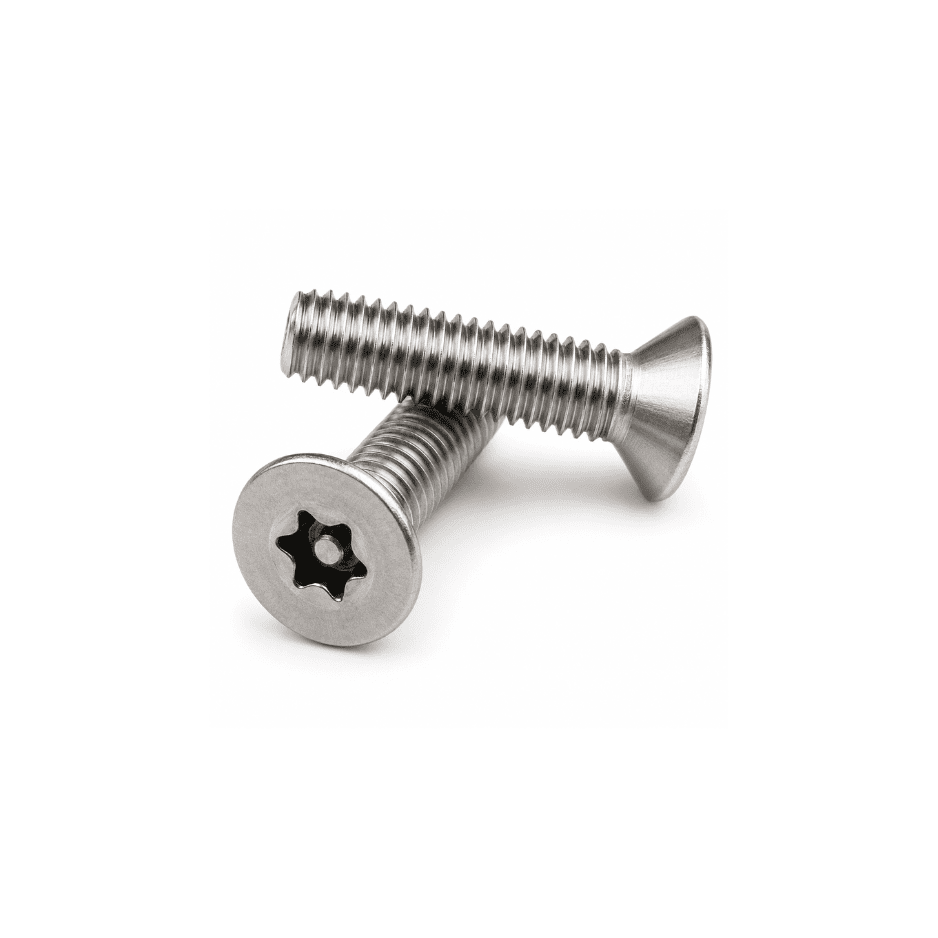
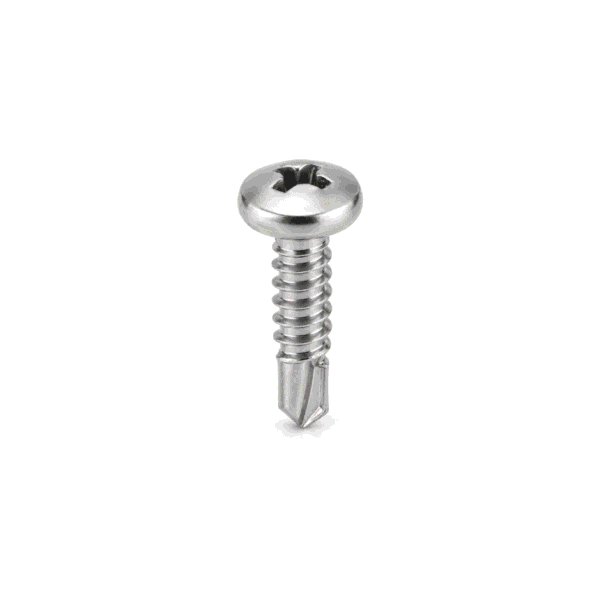
AM Steel CSK Screws share the same flat, cone-shaped countersunk head – designed to sit flush with the mating surface once seated in a matching countersunk hole – but are offered with two distinct drive options to suit different priorities on the assembly line. Manufactured under the AM Steel brand, the Torx (hexalobular) drive variant is made to ISO 14581, while the Phillips (cross-recess) drive variant is made to DIN 965/ISO 7046, giving you the flexibility to choose the right drive for your specific installation method and equipment.
The Torx drive variant uses a six-lobed star-shaped internal socket that engages more surface area than a Phillips recess, delivering significantly better torque transfer and greatly reduced cam-out – a genuine advantage in automated or powered-driver assembly lines, where driver bit longevity and consistent, repeatable torque matter. One detail worth understanding: ISO 14581 CSK Torx screws are marked with a property class preceded by a zero (e.g., “08.8”), indicating reduced head loadability – the head can carry only about 80% of the tensile load the thread itself is rated for, due to the countersunk head design. The Phillips drive variant, made to DIN 965/ISO 7046, uses the widely familiar cross-recess drive, which remains fast to install with commonly available tools and drivers, though it’s more prone to cam-out and bit wear under high torque compared to Torx.
AM Steel CSK screws in both drive types are available in zinc-plated steel (property class 4.8, with 08.8 marking on the Torx variant) and stainless steel (A2/304, A4/316), suited to a wide range of electronics, automotive, and general machine assembly environments. Choosing between the two often comes down to your specific tooling, production volume, and torque requirements – Torx for demanding, high-volume, or automated production; Phillips for general assembly where broad tool availability and familiarity matter more. As with all AM Steel products, this CSK screw is available in metric sizing (M1.6 to M10, depending on drive standard), in multiple grades, materials, and finishes to suit both industrial-grade and precision fastening needs.
Key features:
- Flat countersunk head (~90° angle) for a flush, snag-free finish, available in two drive types
- Torx drive (ISO 14581) for superior torque transfer and reduced cam-out
- Phillips drive (DIN 965/ISO 7046) for fast, familiar installation with widely available tools
- CSK Torx variant clearly marked for reduced head loadability (~80% of thread capacity)
- Available in zinc-plated steel and stainless steel (A2/304, A4/316)
- Backed by the quality assurance of AM Steel
Ideal For
AM Steel CSK Screws (Torx/Phillips) are ideal for:
- Automated and robotic assembly lines choosing Torx drive for reduced cam-out and longer driver bit life
- Electronics and precision instrument assemblers needing a flush, low-profile fastener in either drive type
- General machine and equipment assemblers using Phillips drive where standard tools and broad availability matter
- Automotive fabricators requiring a clean, snag-free surface with high-torque Torx fastening
- Maintenance and field service teams stocking Phillips drive CSK screws for compatibility with common screwdrivers
Choosing the Right CSK Screw
Selecting the correct CSK screw and drive type from the AM Steel range depends on several factors:
- Drive Type – Torx (ISO 14581) for high-torque, automated, or high-volume production; Phillips (DIN 965/ISO 7046) for general assembly with widely available tools.
- Head Loadability (Torx) – Confirm the reduced-loadability marking (e.g., “08.8”) on Torx CSK screws is acceptable for your application’s clamping force requirements.
- Material – Stainless steel (A2/304 or A4/316) for corrosion resistance; zinc-plated steel for general indoor cost-effective use.
- Head Angle Match – Confirm the countersunk hole matches the ~90° metric head angle for both drive types.
- Size & Thread Pitch – Match the screw diameter and thread pitch to the tapped hole, remembering length is measured overall, including the head.
- Driver/Bit Availability – Consider which drive type your team already has tooling for, since standardizing reduces changeover time and tool costs.
Strategies to Choose the Right Product
- Choose Torx for automated or high-volume production – Use Torx drive CSK screws wherever powered or robotic drivers are involved, since reduced cam-out improves consistency and driver bit life.
- Choose Phillips for general, tool-flexible assembly – Use Phillips drive CSK screws where broad tool availability and familiarity are more valuable than maximum torque transfer.
- Check CSK Torx loadability before specifying for high clamping force – Confirm the “0” prefix property class marking is acceptable, or consider an alternative head style if full thread loadability is required.
- Match material to environment – Choose stainless steel (A2/304 or A4/316) for corrosion resistance; zinc-plated steel for general indoor use.
- Standardize drive type across a product line where possible – Reduce tooling changeovers by specifying a single drive type consistently across a build.
- Buy in matched sets – Purchase CSK screws with compatible nuts and the correct driver bits (Torx or Phillips) for the sizes ordered.
Mechanical Properties
AM Steel CSK Screws (Torx/Phillips) are manufactured to meet recognized mechanical and dimensional standards, ensuring reliability across electronics, automotive, and general machine assembly applications:
| Property | Specification |
|---|---|
| Material Grades | Steel (Property Class 4.8), Stainless Steel (A2/304, A4/316) |
| Governing Standard (Torx) | ISO 14581 (CSK flat head, hexalobular drive, reduced loadability) |
| Governing Standard (Phillips) | DIN 965, ISO 7046 (CSK flat head, Phillips cross-recess) |
| Head Style | Flat countersunk head, ~90° angle, cone-shaped bearing surface |
| Drive Types | Hexalobular (Torx) or Phillips cross-recess (Form H/Z) |
| CSK Torx Head Loadability | Approximately 80% of thread tensile capacity; marked with property class preceded by “0” (e.g., 08.8) |
| CSK Phillips Head Loadability | Standard (no reduced-loadability marking convention) |
| Size Range | M1.6 to M10 (metric), lengths up to approximately 38mm |
| Thread Tolerance | 6g |
| Corrosion Resistance | Moderate (zinc-plated steel) to high (A2/A4 stainless steel) |
| Surface Finish | Zinc-plated steel, passivated A2/A4 stainless steel |
These mechanical ratings confirm that AM Steel CSK screws deliver a consistent flush-fitting profile across both drive types – always check the Torx variant’s reduced loadability marking against your application’s clamping force requirements.
Frequently Asked Questions (FAQs)
1. What is a CSK screw used for? A CSK (countersunk) screw is used wherever the screw head needs to sit flush with the surrounding surface – common in electronics, automotive panels, and precision machine assembly – with the choice of Torx or Phillips drive depending on your tooling and torque needs.
2. What’s the difference between CSK Torx and CSK Phillips screws? Both share the same flat countersunk head, but CSK Torx (ISO 14581) uses a six-lobed star drive offering higher torque transfer and reduced cam-out, while CSK Phillips (DIN 965/ISO 7046) uses the more widely familiar cross-recess drive.
3. Are AM Steel CSK screws different from generic countersunk screws? AM Steel CSK screws are manufactured and quality-tested under the AM Steel brand, ensuring consistent head geometry, thread quality, and grade compliance across every batch, in both drive types.
4. Why is a CSK Torx screw marked with a property class like “08.8”? The leading zero indicates reduced loadability – due to the countersunk head design, the head can only reliably carry about 80% of the tensile load the thread itself is rated for, as specified in ISO 14581. This marking convention does not apply to the Phillips variant.
5. Which drive type is better for automated assembly, Torx or Phillips? Torx is generally preferred for automated or powered-driver assembly, since its hexalobular recess engages more surface area and significantly reduces cam-out and driver bit wear compared to a Phillips recess.
6. Are CSK screws corrosion-resistant? Yes, especially AM Steel stainless steel CSK screws (A2/304 or A4/316), which resist rust in outdoor, washdown, or corrosive environments, in both Torx and Phillips drive types.
7. What sizes do CSK screws come in? AM Steel CSK screws are available in a range of sizes, typically M1.6 to M10 in metric, with lengths up to approximately 38mm, across both Torx and Phillips drive standards.
8. What tools do I need to install a CSK screw? A Torx driver or bit (matching the specific T-size) is needed for the Torx variant; a Phillips screwdriver (Form H or Z) or matching powered bit is needed for the Phillips variant.
9. Can I substitute a CSK Torx screw for a CSK Phillips screw in the same hole? Generally yes, in terms of the countersunk head and thread – both are made to a ~90° head angle and comparable metric sizing – but confirm equivalent property class and loadability before substituting, since the Torx variant may carry the reduced-loadability marking.
10. Are CSK screws suitable for high clamping force applications? CSK Phillips screws follow standard loadability, while CSK Torx screws carry a reduced (~80%) head loadability rating – for maximum clamping force, consider a different head style, such as a socket head cap screw, or confirm the reduced rating is acceptable for your application.
11. Can CSK screws be reused? Yes, as long as the threads and drive recess (Torx lobes or Phillips cross) aren’t damaged, stripped, or worn, CSK screws can typically be reused in non-critical applications.
12. What’s the difference between A2 and A4 stainless steel CSK screws? A2 (304) stainless offers good general corrosion resistance for most indoor and outdoor use, while A4 (316) stainless provides superior resistance to chlorides and marine or washdown environments.
13. Which drive type should I choose if I’m not sure? If your assembly process uses powered or automated drivers, or requires high, repeatable torque, choose Torx; if you need broad tool compatibility and are working with standard hand tools, Phillips remains a reliable, widely available choice.

Reviews
There are no reviews yet.