



Description
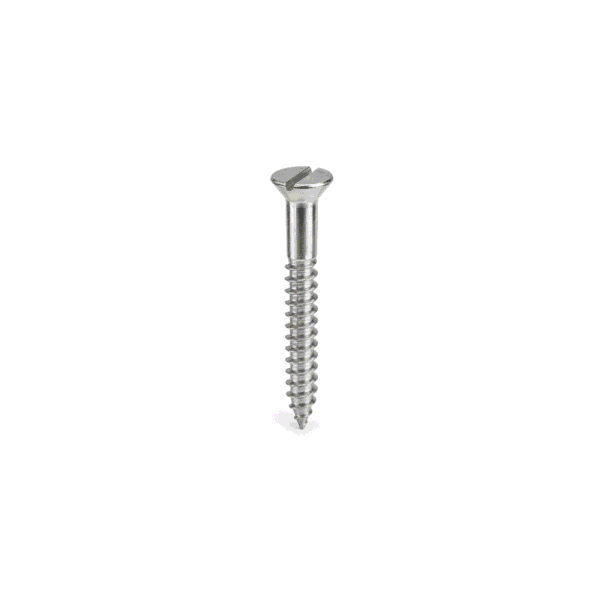
AM Steel CSK Phillips Self Tapping Screws combine a countersunk (flat) head with a cross-recess Phillips drive and an aggressive, coarse thread that cuts and forms its own mating thread as it’s driven – fastening sheet metal, plastic, and thin materials without a pre-tapped hole or separate nut, while the tapered head sits perfectly flush with the surface. Manufactured under the AM Steel brand to DIN 7982 (ISO 7050), these countersunk self-tapping screws are the go-to fixing wherever a level, snag-free finish matters as much as a fast, secure hold, driven with a Phillips screwdriver or bit.
Because the countersunk head seats flush into a countersunk or dimpled hole, AM Steel CSK Phillips self tapping screws are well suited to sheet-metal panels, access covers, hinges and flat fittings, signage, trim, and any surface that must stay smooth and flush – with nothing protruding to snag, catch, or interfere with a mating part. The self-forming thread taps directly into the base material for a tight, vibration-resistant grip, while the Phillips recess gives quick, familiar driver engagement for high-speed assembly. They’re offered with Type AB thread (a sharp gimlet point for thin sheet, plastic, and soft materials) or Type C thread (a blunt machine-screw-style point for thicker or harder stock). AM Steel CSK Phillips self tapping screws are available in case-hardened carbon steel (zinc-plated or black finish) for general indoor fabrication, and in stainless steel (A2/304 and A4/316, the latter considered marine-grade) for outdoor, humid, or corrosion-prone environments.
Whether you’re fixing flush sheet-metal panels, mounting flat hinges and fittings, installing signage and trim, or handling any assembly where a level finish is essential, AM Steel CSK Phillips self tapping screws deliver the flush seat, self-forming grip, and consistent quality needed for thin-material and sheet-metal connections. As with all AM Steel products, this self tapping screw is available in a range of metric self-tapping sizes (typically ST2.2 to ST6.3 per ISO 1478, lengths from 6mm to 50mm), in multiple thread forms, materials, and finishes to suit both industrial-grade and everyday fastening needs.
Key features:
- Countersunk (flat) head that seats flush for a level, snag-free finish
- Coarse, self-tapping thread that forms its own mating thread in sheet metal, plastic, and thin materials
- Cross-recess Phillips drive for fast, familiar screwdriver or bit engagement
- Available in Type AB (sharp point) and Type C (blunt point) thread forms
- Manufactured to DIN 7982 / ISO 7050 dimensional standards
- Available in case-hardened carbon steel (zinc-plated, black) and stainless steel (A2/304, A4/316)
- Backed by the quality assurance of AM Steel
Ideal For
AM Steel CSK Phillips Self Tapping Screws are ideal for:
- Sheet-metal fabricators fixing flush panels, covers, and brackets where nothing can protrude above the surface
- Fitting and hardware installers mounting flat hinges, catches, plates, and trim that require a level seat
- Signage, trim, and finishing work needing a smooth, snag-free surface with concealed fixings
- Appliance, cabinet, and product assembly where a clean flush finish is essential
- DIY and maintenance users needing a fast, flush-seating fixing for sheet metal, plastic, and thin materials
Choosing the Right CSK Phillips Self Tapping Screw
Selecting the correct CSK Phillips self tapping screw from the AM Steel range depends on several factors:
- Material – Stainless steel (A2/304 or A4/316) for outdoor, humid, or corrosion-prone applications; case-hardened carbon steel for general indoor sheet-metal and enclosure work.
- Thread Form – Type AB (sharp gimlet point) for thin sheet, plastic, and soft materials; Type C (blunt machine-screw point) for thicker or harder stock.
- Countersink Requirement – Ensure the hole is countersunk or dimpled to match the head angle so the screw seats truly flush without proud edges or distortion.
- Size & Length – Choose a diameter and length that gives full thread engagement through the base material without excessive protrusion on the reverse side.
- Pilot Hole Size – Match the pilot or punched hole to the screw’s root diameter – too small risks stripping or breakage, too large weakens the grip.
- Base Material Thickness – Confirm the thread form and length suit the gauge of sheet or thickness of plastic being fastened.
Strategies to Choose the Right Product
- Countersink the hole for a true flush seat – Match the countersink angle to the head so it sits level; in thin sheet, a dimple (punched countersink) achieves the same result without over-thinning the material.
- Match the thread form to the material – Use Type AB for thin sheet and plastic; Type C for thicker or harder stock where a finer, machine-style thread grips better.
- Get the pilot hole right – Size the pilot to the screw’s root diameter to prevent stripping, splitting, and screw breakage.
- Match material to environment – Use stainless steel (A2/304 or A4/316) for outdoor, humid, or coastal work; case-hardened carbon steel for general dry, indoor fabrication.
- Prioritize certified standards – Look for DIN 7982 / ISO 7050 compliance for guaranteed dimensional and thread consistency.
- Consider bulk vs. individual packs – Bulk packs suit production fabrication and repeat assembly; smaller packs suit repairs, servicing, or single jobs.
Mechanical Properties
AM Steel CSK Phillips Self Tapping Screws are manufactured to meet recognized mechanical and dimensional standards, ensuring reliability across sheet-metal, panel, and flush-finish assembly applications:
| Property | Specification |
|---|---|
| Material Grades | Case-Hardened Carbon Steel, Stainless Steel (A2/304, A4/316) |
| Governing Standard | DIN 7982 / ISO 7050 (Countersunk Head Tapping Screws) |
| Head Style | Countersunk (flat, 90° flush-seating head) |
| Drive Type | Cross-recess Phillips |
| Thread Type | Coarse self-tapping thread (Type AB sharp point / Type C blunt point) per ISO 1478 |
| Size Range | ST2.2 to ST6.3 (metric self-tapping), lengths from 6mm to 50mm |
| Corrosion Resistance | Moderate (zinc-plated / black carbon steel) to high (A2/A4 stainless steel) |
| Common Alternate Names | Countersunk self-tapper, flat head sheet-metal screw, CSK tapping screw, flush self-tapping screw |
| Typical Applications | Flush sheet-metal panels, covers, hinges, fittings, signage, trim |
| Surface Finish | Zinc-plated, black, plain or passivated stainless steel |
These mechanical ratings confirm that AM Steel CSK Phillips self tapping screws deliver a flush, self-forming hold suited to sheet-metal, panel, and finishing applications – countersink or dimple the hole and size the pilot to the screw’s root diameter for best results and a truly flush seat.
Frequently Asked Questions (FAQs)
1. What is a CSK Phillips self tapping screw used for?
It’s used to fasten sheet metal, plastic, and thin materials with a flush, level finish – flush panels, covers, hinges, and fittings – forming its own mating thread as it’s driven with a Phillips screwdriver or bit and needing no separate nut.
2. What does “CSK” mean on a screw?
CSK stands for countersunk – a flat, tapered head designed to sit flush with (or below) the surface when driven into a matching countersunk or dimpled hole, leaving nothing protruding.
3. Are AM Steel CSK Phillips self tapping screws different from generic ones?
AM Steel self tapping screws are manufactured and quality-tested under the AM Steel brand, ensuring consistent thread quality, point sharpness, head angle, and finish across every batch, per DIN 7982 / ISO 7050.
4. Do I need to countersink the hole for a CSK self tapping screw?
Yes, for a truly flush finish the hole should be countersunk or dimpled to match the head angle; in thin sheet a punched dimple achieves this without over-thinning the material.
5. What’s the difference between a pan head and a CSK self tapping screw?
A pan head sits on top of the surface with a broad flat bearing area, while a countersunk (CSK) head seats flush into a countersunk hole for a level, snag-free finish with nothing protruding.
6. What’s the difference between Type AB and Type C self tapping screws?
Type AB has a sharp gimlet point suited to thin sheet, plastic, and soft materials, while Type C has a blunt machine-screw-style point with a finer thread suited to thicker or harder stock.
7. What sizes do CSK Phillips self tapping screws come in?
AM Steel CSK Phillips self tapping screws are available in a range of sizes, typically ST2.2 to ST6.3 in metric self-tapping designation, with lengths from 6mm to 50mm, per ISO 1478.
8. Do I still need a pilot hole for a countersunk self tapping screw?
Usually yes – a pilot or punched hole sized to the screw’s root diameter is recommended in metal and harder materials to prevent stripping and breakage, in addition to the countersink for the head.
9. What’s the difference between a self tapping and a self drilling screw?
A self tapping screw needs a pre-made pilot hole and forms the thread only, while a self drilling (Tek) screw has a drill-point tip that bores its own hole and taps the thread in a single action, needing no pilot hole.
10. Are CSK Phillips self tapping screws corrosion-resistant?
Yes, especially AM Steel stainless steel versions (A2/304 or A4/316), which resist rust in outdoor, humid, or coastal environments; zinc-plated carbon steel offers basic protection for indoor and dry conditions.
11. What tool do I need to install a CSK Phillips self tapping screw?
A Phillips screwdriver or Phillips bit matching the cross-recess size is used – seat the driver fully in the recess to avoid cam-out and stripping the head, especially during power driving.
12. Can CSK Phillips self tapping screws be reused?
They can often be reinstalled into the same formed thread if it isn’t stripped, though repeated removal weakens the hold; for a loose hole, a slightly larger-diameter screw restores grip.
13. What’s the difference between A2 and A4 stainless steel CSK self tapping screws?
A2 (304) stainless offers good general corrosion resistance for most indoor and outdoor use, while A4 (316), considered marine-grade, provides superior resistance to chlorides and coastal or chemical environments.
Reviews
There are no reviews yet.