


Description
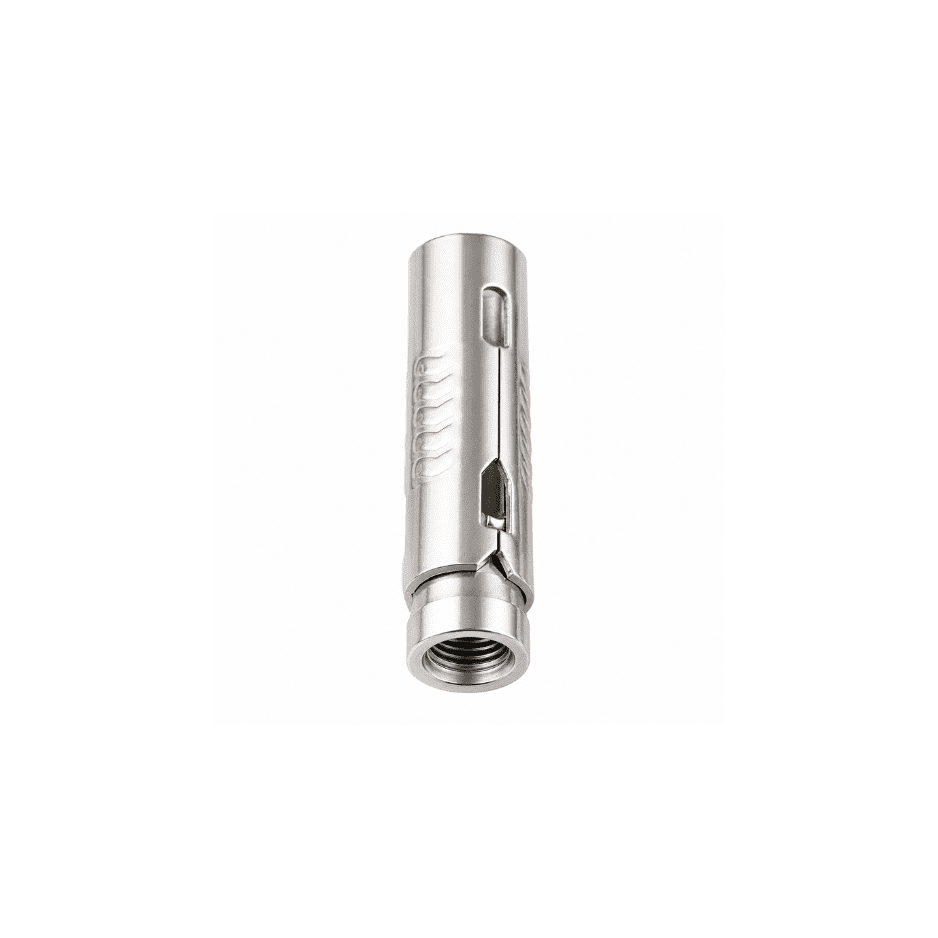
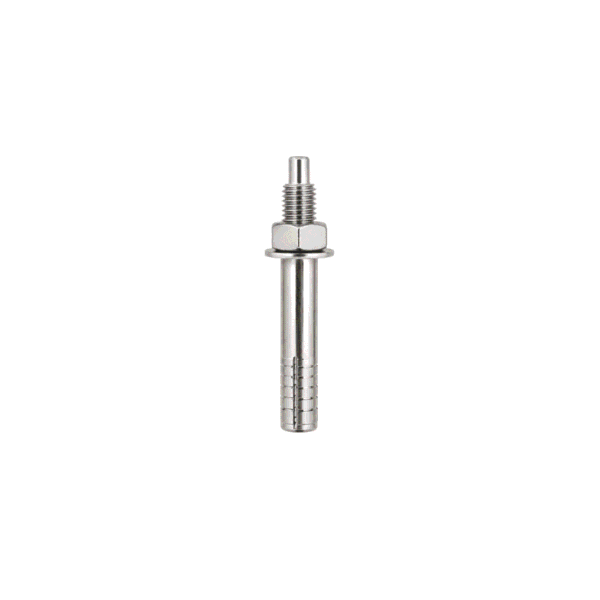
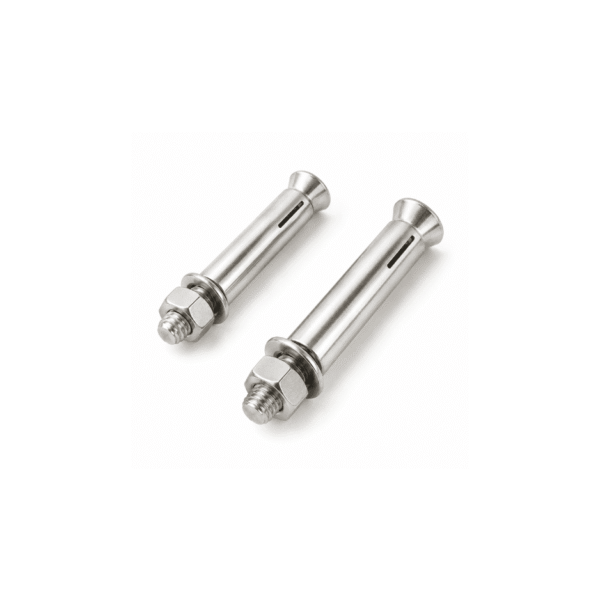
AM Steel TAM Anchors are shield-type expansion anchors built around a slotted steel body and an internally threaded cone nut, designed to grip the wall of a pre-drilled hole in solid masonry as the fixing bolt is tightened. Manufactured under the AM Steel brand, these anchors (widely known as shield anchors, sleeve shield anchors, or cone-nut expansion anchors) work by drawing the cone nut into the slotted body as the bolt is turned – expanding the sleeve outward against the hole wall to form a strong mechanical anchorage in concrete, solid block, brick, and stone.
Because the anchor body carries an internal metric thread in its cone nut, AM Steel TAM anchors accept a standard bolt, threaded rod, or machine screw, letting the installer choose the fixing to suit the fixture – a versatility that makes them a go-to for railings, grills, gates, door frames, brackets, and equipment mounting into solid walls and floors. The slotted body typically features anti-rotation fins and a scaled surface that grip the hole and prevent the anchor spinning during installation, while a protective plug keeps the internal thread clean until the fixing is fitted. TAM anchors are suited to pre-drilled, push-through, and stand-off (distance) installations, and their multi-section expansion spreads load evenly for a secure hold even in older or lower-strength base materials. AM Steel TAM anchors are available in carbon and high-tensile steel (zinc-plated or hot-dip galvanized) for general construction, and in stainless steel (A2/304 and A4/316, the latter considered marine-grade) for outdoor, wet, and coastal environments where corrosion resistance is critical.
Whether you’re fixing railings and balustrades, mounting gates and grills, anchoring door frames, or securing brackets and equipment into solid masonry, AM Steel TAM anchors deliver the expansion grip, fixing versatility, and consistent quality needed for demanding concrete and masonry anchorage. As with all AM Steel products, this TAM anchor is available in a range of metric sizes (typically M6 to M20 internal thread, diameters from around 10mm to 32mm, lengths from 50mm to 300mm), in multiple grades, materials, and finishes to suit both industrial-grade and everyday fastening needs.
Key features:
- Slotted steel shield body with an internally threaded cone nut that expands against the hole wall
- Accepts a standard bolt, threaded rod, or machine screw for flexible fixing selection
- Anti-rotation fins and scaled surface grip the hole and prevent spinning during installation
- Suited to pre-drilled, push-through, and stand-off (distance) installations
- Multi-section expansion spreads load for a secure hold, including in older base materials
- Available in carbon steel, high-tensile steel, and stainless steel (A2/304, A4/316)
- Backed by the quality assurance of AM Steel
Note: This product, along with all other products in this catalog, is manufactured and supplied by AM Steel, a trusted name in industrial-grade fasteners and steel components.
Ideal For
AM Steel TAM Anchors are ideal for:
- Railing, balustrade, and handrail installers anchoring posts and base plates into concrete or masonry
- Gate, grill, and security-fixture fitters mounting heavy fixtures securely into solid walls
- Door and window frame anchoring into brick, block, or concrete openings
- Bracket, machinery, and equipment mounting requiring a strong, bolt-based masonry fixing
- General construction and maintenance trades needing a versatile expansion anchor that accepts a standard bolt
Choosing the Right TAM Anchor
Selecting the correct TAM anchor from the AM Steel range depends on several factors:
- Material – Stainless steel (A2/304 or A4/316) for outdoor, wet, or coastal applications; zinc-plated or hot-dip galvanized carbon/high-tensile steel for general indoor and dry construction.
- Base Material – Confirm the anchor suits the base – solid concrete, solid block, brick, or stone; expansion anchors are for solid materials, not hollow or lightweight block.
- Thread Size – Choose the internal thread (e.g. M6 to M20) to match the bolt or threaded rod that will secure the fixture.
- Anchor Diameter & Length – Match the anchor body diameter to the drilled hole and the length to the required embedment depth for the load.
- Load Requirement – Size the anchor to the tension and shear load of the fixture, allowing appropriate safety margins and edge distances.
- Installation Type – Confirm whether a pre-drilled, push-through, or stand-off (distance) installation suits the fixture and drill the hole accordingly.
Strategies to Choose the Right Product
- Match the anchor to a solid base material – TAM expansion anchors need solid concrete, block, brick, or stone to expand against; they are not suited to hollow or lightweight materials.
- Drill the correct hole size and depth – Use the specified drill diameter and clean the hole of dust so the shield expands fully and grips reliably.
- Match material to environment – Use stainless steel (A2/304 or A4/316) for outdoor, wet, or coastal work; zinc-plated or galvanized steel for general dry, indoor construction.
- Choose the thread to suit the fixing – Select the internal thread size to match the bolt or rod your fixture requires, and confirm adequate edge distance and spacing.
- Respect embedment and edge distances – Follow recommended embedment depth, edge distance, and anchor spacing to achieve rated holding values and avoid cracking the base.
- Consider bulk vs. individual packs – Bulk packs suit railing runs, fencing, and repeat construction fixings; smaller packs suit repairs or single installations.
Mechanical Properties
AM Steel TAM Anchors are manufactured to meet recognized mechanical and dimensional standards, ensuring reliability across railing, fixture, and equipment-anchoring applications in solid masonry:
| Property | Specification |
|---|---|
| Material Grades | Carbon Steel, High-Tensile Steel (Grade 5.6 / 5.8), Stainless Steel (A2/304, A4/316) |
| Anchor Type | Shield / sleeve expansion anchor with internally threaded cone nut |
| Fixing Method | Standard bolt, threaded rod, or machine screw drawn into the cone nut |
| Base Materials | Solid concrete, solid block, brick, natural stone |
| Thread Size Range | M6 to M20 (internal metric thread) |
| Anchor Dimensions | Approx. 10mm to 32mm diameter, lengths from 50mm to 300mm |
| Corrosion Resistance | Moderate (zinc-plated steel) to high (hot-dip galvanized, A2/A4 stainless steel) |
| Common Alternate Names | Shield anchor, sleeve shield anchor, cone-nut expansion anchor, TAM shield anchor |
| Typical Applications | Railings, grills, gates, door frames, brackets, equipment mounting in masonry |
| Surface Finish | Zinc-plated (white, blue, yellow, black), hot-dip galvanized, plain or passivated stainless steel |
These mechanical ratings confirm that AM Steel TAM anchors deliver strong, versatile expansion anchorage suited to railing, fixture, and equipment fixing in solid masonry – drill the correct hole size, clean it thoroughly, and observe embedment and edge distances for the best hold.
Frequently Asked Questions (FAQs)
1. What is a TAM anchor used for?
A TAM anchor is used to fix fixtures – railings, grills, gates, door frames, brackets, and equipment – into solid concrete, block, brick, or stone, expanding inside a pre-drilled hole as a standard bolt is tightened into its internal cone nut.
2. How does a TAM anchor work?
As the fixing bolt is tightened, it draws the cone nut into the slotted steel body, forcing the sections of the sleeve to expand outward against the wall of the drilled hole, creating a strong mechanical grip in the base material.
3. What’s another name for a TAM anchor?
TAM anchors are also known as shield anchors, sleeve shield anchors, or cone-nut expansion anchors, referring to the expanding shield body and internally threaded cone nut mechanism.
4. Are AM Steel TAM anchors different from generic shield anchors?
AM Steel TAM anchors are manufactured and quality-tested under the AM Steel brand, ensuring consistent expansion performance, thread quality, body dimensions, and finish across every batch.
5. What base materials can TAM anchors be used in?
TAM anchors are designed for solid base materials – solid concrete, solid block, brick, and natural stone; they are not suitable for hollow or lightweight block, where the sleeve cannot expand against a solid wall.
6. What bolt do I use with a TAM anchor?
The anchor’s internal cone nut carries a standard metric thread, so you fit a standard bolt, threaded rod, or machine screw of the matching size (e.g. M6 to M20) to secure your fixture.
7. What sizes do TAM anchors come in?
AM Steel TAM anchors are available in a range of sizes, typically M6 to M20 internal thread, with body diameters from around 10mm to 32mm and lengths from 50mm to 300mm.
8. Are TAM anchors corrosion-resistant?
Yes, especially AM Steel stainless steel versions (A2/304 or A4/316), which resist rust in outdoor, wet, or coastal environments; hot-dip galvanized and zinc-plated steel offer protection for general and dry conditions.
9. Do I need to pre-drill a hole for a TAM anchor?
Yes – a correctly sized hole must be drilled to the specified diameter and depth, then cleaned of dust and debris so the shield can expand fully and grip the hole wall reliably.
10. How do the anti-rotation fins help?
The fins and scaled surface on the anchor body grip the sides of the drilled hole to stop the anchor spinning as the bolt is tightened, ensuring the cone nut is drawn in and the sleeve expands correctly.
11. Can TAM anchors be used outdoors?
Yes – for outdoor, wet, or coastal use, stainless steel (A2/304 or A4/316) or hot-dip galvanized versions are recommended to resist corrosion; standard zinc plating suits dry, indoor conditions.
12. Can TAM anchors be reused?
Generally no – like most expansion anchors, once the shield has expanded against the hole wall it is set in place; the bolt can often be removed and refitted, but the anchor body itself is not designed to be relocated.
13. What’s the difference between A2 and A4 stainless steel TAM anchors?
A2 (304) stainless offers good general corrosion resistance for most outdoor use, while A4 (316), considered marine-grade, provides superior resistance to chlorides and coastal or chemical environments.
Reviews
There are no reviews yet.